
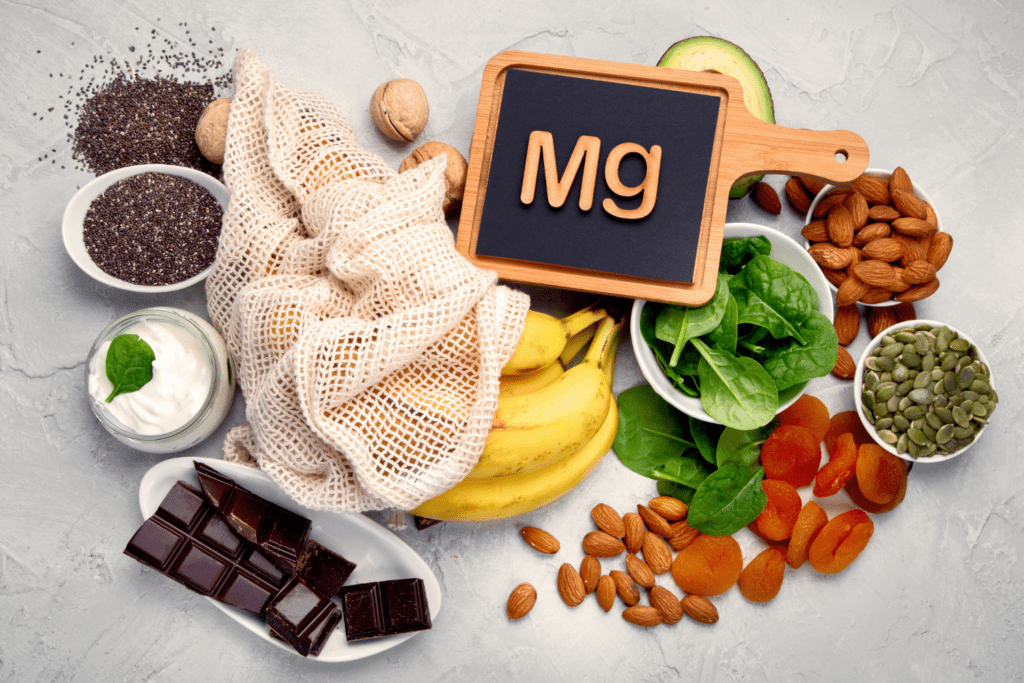
Magnesium is a nutrient that has been getting a lot of attention on social media lately, and for good reason. Magnesium is an essential mineral that helps the body function properly. Yet many people aren’t getting enough. Research shows that about 60% of adults fall short of the average dietary intake, and nearly 45% of Americans are deficient. This isn’t only related to food choices. Changes in soil quality and modern farming practices over the past century have reduced the mineral content of vegetables by as much as 80–90%. Because of this, many people have become more interested in magnesium for sleep and stress and how it may support overall well-being.
Why is Magnesium Important?
Magnesium is an essential mineral your body needs to function properly. It helps with things like:
- Blood clotting
- Muscle contractions
- Maintaining strong teeth and bones
- Supporting healthy blood pressure
- Promoting better sleep and easing anxiety
And that’s just the beginning. Magnesium is involved in over 300 different chemical reactions in your body, making it crucial for overall health.
Magnesium and Mental Health
Research shows that magnesium may support mental well-being. Having enough magnesium has been linked to improvements in mood, stress, anxiety, and even focus. It helps regulate brain chemicals and promotes relaxation in the nervous system, which can help you feel calmer and may lower cortisol, a stress hormone, levels. Magnesium can also support better sleep, which in turn helps your mind and body recover from daily stress. While it’s not a replacement for professional care, maintaining adequate magnesium levels can be a helpful piece of an overall approach to mental health.
Although magnesium plays an important role in supporting mental health, it’s important to be cautious for those with a history of eating disorders, as some forms of magnesium, especially laxative types, can be misused. Focusing on food sources and safe supplement forms can help support your body without adding risk.
Types of Magnesium
While getting nutrients from whole foods is usually best, magnesium can be a bit different. Because of the reasons we mentioned earlier, some people may consider supplementation. Before doing that, it’s important to know that there are several types of magnesium, each working in a slightly different way, so understanding the differences matters.
- Magnesium oxide and magnesium citrate are among the most commonly prescribed and widely recognized forms of magnesium. However, they are not absorbed as efficiently in the gut, which can sometimes lead to loose stools or diarrhea. Due to their laxative effects, these forms may be subject to misuse, particularly among individuals with eating disorders, and should therefore be used with caution.
- Magnesium Glycinate combines magnesium with the essential amino acid glycine. Unlike magnesium oxide and citrate, this form is easily absorbed. It has been associated with benefits such as supporting anxiety reduction, blood sugar regulation, bone and muscle health, and relief from PMS symptoms. Because it also promotes relaxation, magnesium glycinate may help improve sleep quality.
- Magnesium Taurate is a form of magnesium combined with taurine, a conditionally essential amino acid involved in regulating the central nervous system. Taurine has been linked to support for anxiety, ADHD, and seizure disorders. Because of this combination, magnesium taurate may help promote relaxation while also supporting brain health.
- Magnesium Malate is a form of magnesium combined with malic acid. Malic acid is known for its role in energy production, and when paired with magnesium, this combination may help reduce fatigue and support better sleep quality.
- Magnesium Threonate is a form of magnesium that not only promotes relaxation but can also cross the blood-brain barrier, supporting cognitive benefits like improved memory, mood, and stress management.
Magnesium Food Sources
Even if you decide to take a magnesium supplement, it’s still important to include magnesium-rich foods in your diet. Some great options are:
- Pumpkin seeds
- Nuts, especially almonds and cashews
- Chia seeds
- Black beans
- Dark chocolate
- Avocado
- Spinach
- Oatmeal
- Quinoa
- Meat, poultry, and fish