
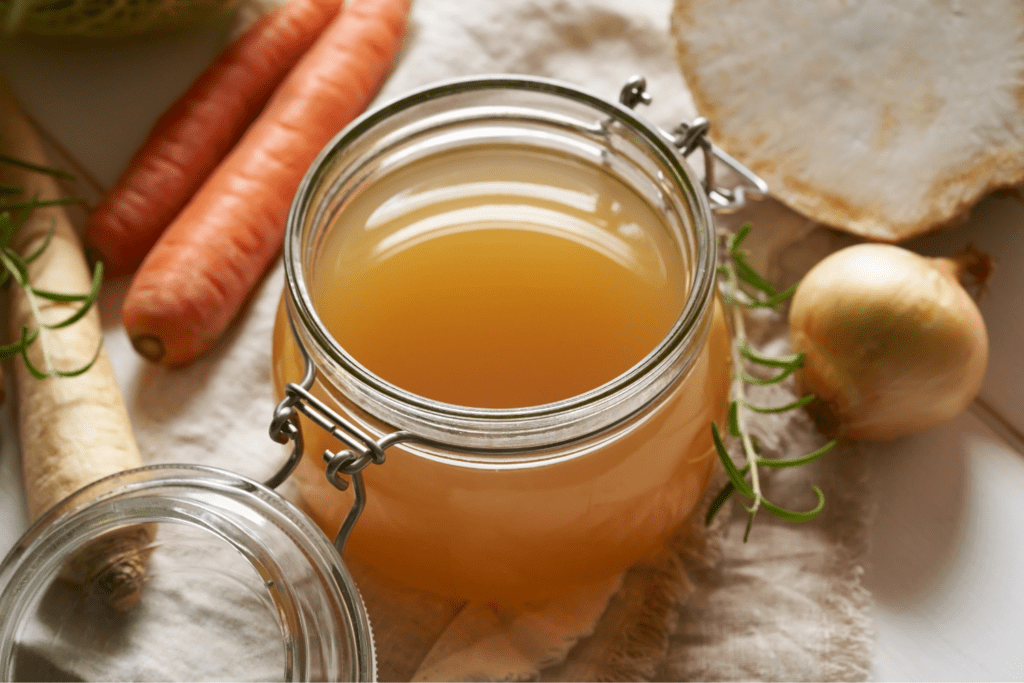
Bone broth isn’t new; it’s been used for centuries and remains a staple in many cultures, particularly in Asia. Social media influencers even call it “liquid gold,” saying it offers benefits for your joints, gut, and more. It also has gained popularity in diet culture, like the “bone broth diet” that encourages drinking it instead of eating full meals, which isn’t safe or sustainable. Bone broth does have benefits, but labeling foods as “clean,” “detoxing,” or “guilt-free” can be harmful, especially for those who struggle with disordered eating.
What is Bone Broth?
Bone broth is made by simmering animal bones, usually fish, chicken, or beef, along with joints that contain nutrient-rich connective tissue, for several hours. It’s not only flavorful, especially when vegetables, herbs, and spices are added, but also packed with nutrients like protein, collagen, electrolytes, vitamins, and minerals. All of which, unlike other food sources, are highly bioavailable, meaning that the body is able to quickly absorb them.
This is usually consumed as a base for soups or stews, or as a warm, comforting drink when feeling sick. If you don’t like consuming bone broth by itself, consider adding it as a base for soups and stews, or use it in place of water when cooking rice or other grains.
Bone Broth Benefits
Gut Health
Many people have started paying closer attention to their gut health as they realize how important the digestive system is for overall well-being. The gut, which includes the stomach, intestines, and colon, affects not only physical health but mental health as well. In fact, it’s often called the “second brain” because of its connection to mood and emotional well-being.
While more research is still needed to fully understand bone broth’s role as a therapeutic tool, current studies suggest that it may support digestive and metabolic health and help the body absorb nutrients more effectively. Because of its amino acid content, it may be especially helpful for people dealing with concerns like leaky gut or inflammatory bowel conditions. That said, bone broth can be enjoyed by anyone looking to support digestion and potentially reduce bloating.
Bone Health
Bone broth is a good source of protein, largely due to its collagen content. Collagen is the most abundant protein in the body and is found in structures like skin, hair, nails, and bones. When paired with vitamin C, collagen can support wound healing and may also provide anti-inflammatory benefits that help with joint discomfort and damage.
Bone broth also contains micronutrients that support bone health, including calcium, magnesium, and phosphorus. Nutrition plays an important role in maintaining both muscle and bone strength, so getting enough of these nutrients may help support bone health and reduce the risk of conditions like arthritis and osteoporosis. These nutrients help maintain the strength and structure of bones and may help prevent bone loss and fractures. Additionally, because bone broth contains electrolytes, it may also help support muscle function and reduce the likelihood of muscle cramps.
Other benefits
- Skin, hair, and nails. Given its collagen and electrolyte content, bone broth may support skin elasticity and hydration while helping with cell repair. These nutrients can contribute to keeping your skin, hair, and nails looking strong and healthy.
- Immune support. There’s a reason broth is often associated with comfort when you’re sick. Bone broth contains a variety of nutrients that may help support the immune system and provide nourishment while your body is recovering.
- Liver health. Bone broth contains glycine, an amino acid that research suggests may help support liver function and assist the body in processing toxins more efficiently.
- Sleep quality. Glycine may also promote relaxation, which can help support better sleep and overall rest.
As you can see, bone broth can be a nourishing addition that offers a variety of nutrients that support overall health. That said, it’s not meant to replace meals or be used as a tool for weight loss. Instead, it can simply complement your meals, be enjoyed as a snack, or even serve as a warm drink to help you relax before bed.