
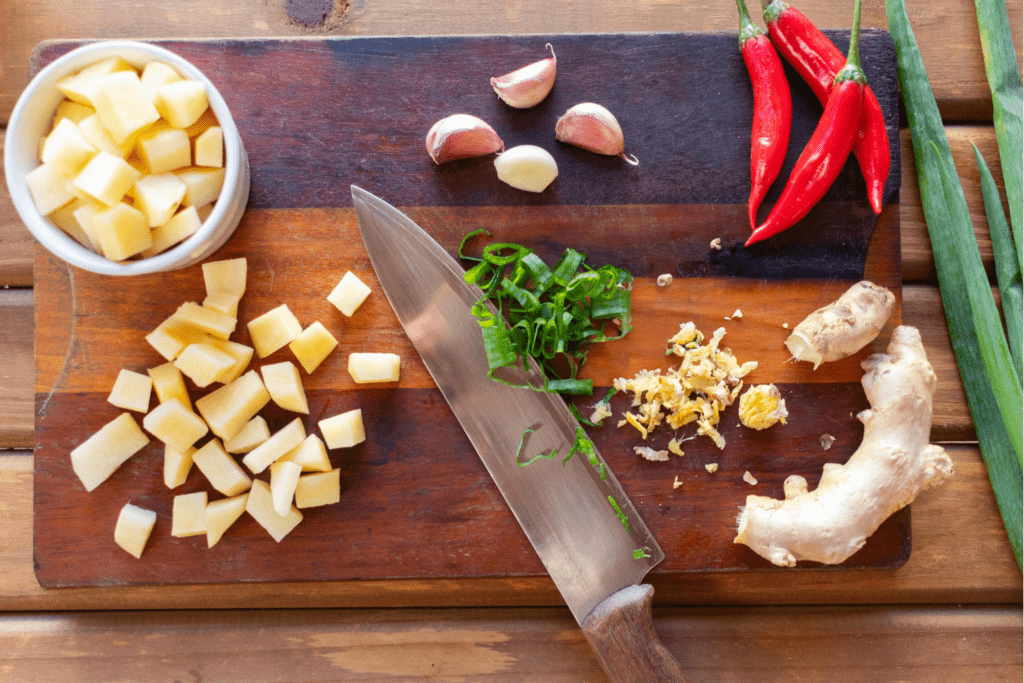
You’ve probably heard the word “inflammation” a lot, but what does it really mean for your health? While it’s a natural part of how our bodies protect us, long-term inflammation can be something to pay attention to. The good news is that simple additions to your meals, such as certain herbs and spices, can help reduce inflammation and support your body in gentle, nourishing ways.
What is Inflammation?
Inflammation is your body’s built-in way of protecting and healing itself. When something harmful is detected, like an injury or infection, your immune system responds to help keep you safe.
Is All Inflammation Bad?
Not at all. In many cases, inflammation is a helpful and necessary process. For example, when you get a cut or injury, inflammation increases blood flow and sends healing cells to the area. The same thing happens after exercise, especially strength training, where small muscle tears trigger inflammation that helps your muscles recover and grow stronger. This short-term, helpful response is known as acute inflammation.
When is Inflammation Harmful?
Inflammation becomes problematic when it’s chronic or excessive. Instead of helping the body heal, it can begin to interfere with normal functions and contribute to health concerns over time.
You might see this in different ways:
- In autoimmune conditions like lupus or rheumatoid arthritis, the body mistakenly attacks its own tissues, causing damage.
- In type 2 diabetes, ongoing inflammation can make it harder for the body to respond to insulin properly.
- In heart disease, inflammation can affect blood vessels and contribute to plaque buildup.
- In allergies, the body reacts to things that aren’t actually harmful, like pollen or certain foods, leading to discomfort, irritation, and swelling.
- During menopause and perimenopause, hormonal changes can increase inflammation, which may play a role in symptoms like fatigue, joint pain, or mood shifts.
This type of long-term, ongoing inflammation is known as chronic inflammation.
How Can We Control Inflammation?
Although inflammation is necessary for our body’s defense and well-being, when inflammation is chronic, it can be harmful, and it’s a good idea to control it. One simple way to do this is through what we eat, and many herbs and spices have been shown to help reduce inflammation in the body.
Garlic
Garlic is one of the most well-known and widely used spices, and for good reason. Not only does it add great flavor, but it’s also been linked to a variety of health benefits. Garlic contains a compound called allicin, which has natural antibacterial properties and may help with things like infections, coughs, and even joint discomfort. Research, including a study published in 2020, has shown that garlic may help lower levels of inflammation in the body, with some studies also suggesting benefits for conditions like osteoarthritis.
The best part? It’s easy to incorporate into everyday meals, or it can also be taken as a supplement in extract form.
Ginger
Ginger is another powerful spice packed with natural compounds that may help reduce inflammation in the body. Research has shown that it can be beneficial for individuals with osteoarthritis, with studies reporting improvements in pain and mobility. There’s also evidence suggesting it may support those with rheumatoid arthritis.
Ginger is very versatile, which means you can enjoy it fresh, dried, or powdered, add it to meals, take it as a supplement, or sip it as a soothing tea.
Note: Keep in mind that garlic and ginger may trigger discomfort for those with acid reflux or heartburn. They also have natural blood-thinning properties, so caution is recommended if you’re taking anticoagulants.
Turmeric
Turmeric’s active compound, curcumin, is a powerful antioxidant. When paired with black pepper, its absorption in the body improves significantly, making it even more effective. Research suggests that turmeric may help reduce inflammation, support heart health, and promote brain function. Some studies have even found that it may work similarly to non-steroidal anti-inflammatory drugs (NSAIDs), like ibuprofen, particularly for osteoarthritis.
Turmeric can be enjoyed in teas, added to meals, or taken as a supplement. Just don’t forget to include a pinch of black pepper to help your body absorb it better.
Note: Keep in mind that turmeric is also a natural blood thinner. In supplement form, it can sometimes cause mild side effects like stomach upset, nausea, dizziness, or diarrhea. If you have liver conditions, like hepatitis or cholestasis, it’s a good idea to talk with your healthcare provider before using it regularly.
What are Other Ways to Reduce Inflammation?
Incorporate anti-inflammatory foods. There are many foods that have been shown to reduce inflammatory stress in the body. These include:
- Fruits specially berries
- Vegetables such as beets, broccoli, cauliflower, Brussels sprouts, kale, arugula, bok choy, cabbage
- Fatty fish like salmon, tuna, and sardines
- Whole grains such as quinoa, oatmeal, and whole-grain breads and other whole wheat products.
- Nuts, including almonds, brazil nuts, and walnuts
- Dark chocolate
Manage Stress. Chronic stress can raise inflammation levels in the body and also take a toll on mental health. Finding ways to manage stress can make a big difference. Simple practices like stretching, moving your body, deep breathing, journaling, drawing, or going for a walk can all help calm the body and support a more balanced immune response.
Engage in Regular Physical Activity. Activities like walking, swimming, dancing, or playing sports can help maintain flexibility while also supporting the immune system in responding appropriately.