
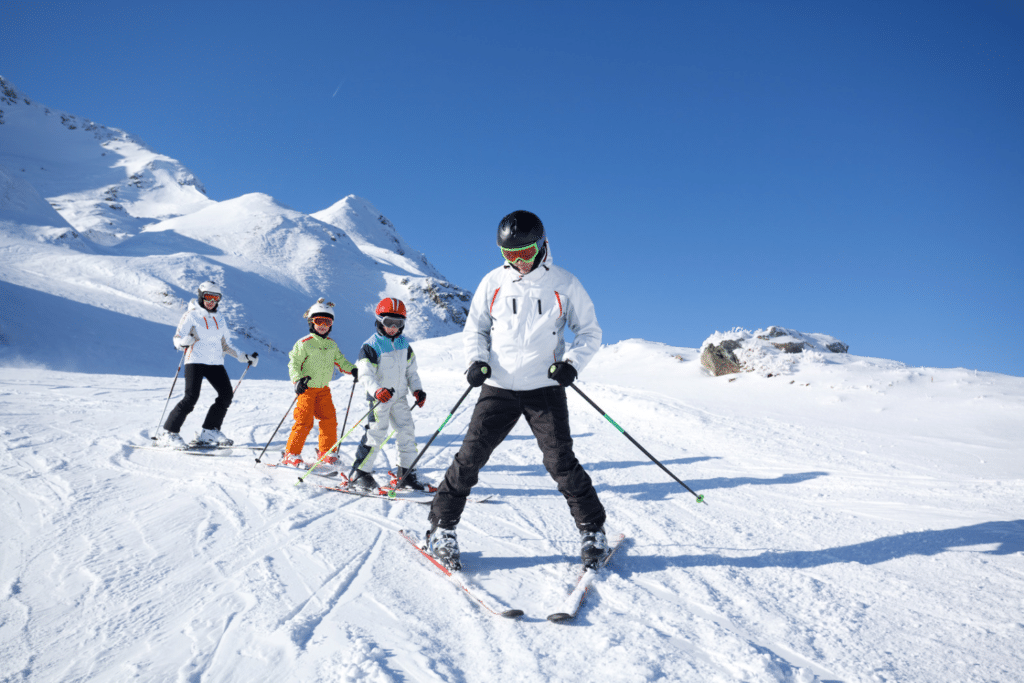
November is here! That means ski season is upon us. For many, that means spending long days on the mountain and enjoying the fresh air and time on the slopes. When we’re active, especially at higher altitudes, it’s important to give our bodies the nourishment and hydration they need to keep us going and help us feel our best throughout the day.
How does altitude impact nutrition?
Spending time in the mountains can affect how your body uses energy, responds to hunger, and stays hydrated. Although more research is needed to understand exactly how nutrient needs change at higher altitudes, here are a few things we do know:
- Your body uses carbohydrates more quickly. At higher altitudes, your body relies more on carbohydrates for energy because they require less oxygen to break down than fats.
- You may not feel as hungry. High altitude can affect your appetite, even when your body is using more energy. This means you might not feel hungry enough to replace the energy you’re using, which can leave you feeling tired or hitting an afternoon slump.
- You may need to pay more attention to hydration. Mountain air is often much drier, especially during winter. Between breathing faster and sweating during physical activity, you can lose more fluids than you realize, leading to dehydration, even if you don’t feel thirsty.
- Your body may need more energy to stay warm. When temperatures drop, your body works to maintain its core temperature, which can increase the energy it uses, especially during long days outdoors.
- Digestion may feel a little different. At higher altitudes, changes in oxygen availability and blood flow can affect your digestive system. Some people may find that larger meals or foods high in fat and fiber are harder to tolerate during activity.
Tips for Fueling Your Days on the Slopes
Before Hitting the Slopes
Before heading out for a day of skiing or snowboarding, it’s important to give your body the fuel it needs to keep you going. Start with a balanced breakfast that includes carbohydrates for energy and protein to help keep you satisfied.
Since digestion can feel a little different at higher altitudes, try not to go too heavy on large meals or foods high in fat right before physical activity. The goal is to feel comfortably fueled and ready to enjoy your time on the mountain!
Breakfast ideas:
- Greek yogurt with granola and fruit
- Oatmeal topped with fruit
- Whole-grain toast with scrambled eggs
- Breakfast sandwich or burrito
Pack Snacks for the Slopes
When you’re spending several hours skiing or snowboarding, taking breaks to refuel throughout the day can help maintain your energy, and having convenient snacks on hand makes it easier to nourish your body between meals.
Try packing a combination of carbohydrates and protein, such as:
- Trail mix
- Yogurt pouches
- Peanut butter and jelly sandwiches
- Turkey sandwiches
- Protein bars
- String cheese with crackers
Tip: Keep a few snacks in your backpack or jacket pocket so you have something available when you need a quick break. Don’t wait until you’re starving to eat!
Hydration
Staying hydrated is just as important as fueling with food, especially when spending long days on the slopes! Water helps regulate body temperature, transport nutrients, and support muscle function during physical activity. Between the dry mountain air, increased breathing, and sweating under all those layers, you may lose more fluids than you realize. Try keeping a water bottle with you and sipping throughout the day rather than waiting until you feel thirsty. A pale yellow urine color can be one helpful indicator of hydration status. Depending on how long you’re active and how much you’re sweating, electrolyte drinks or powders may also be helpful.
Refueling After a Day on the Slopes
After a full day of skiing or snowboarding, you might be ready to head to après-ski, grab dinner with friends, or relax after a busy day outdoors. Whatever your plans look like, remember to give your body some nourishment after all that activity. Enjoying your favorite restaurant meals or après-ski traditions is part of the vacation experience, and you don’t have to choose between enjoying yourself and taking care of your body. Incorporating carbohydrates and protein can help replenish energy stores and support muscle recovery.
Don’t forget to drink fluids throughout the evening, too!
Some easy ways to refuel include:
- A taco bowl with rice, beans, and your favorite protein
- A chicken wrap
- Chocolate milk and a banana
- A protein bar paired with fruit