
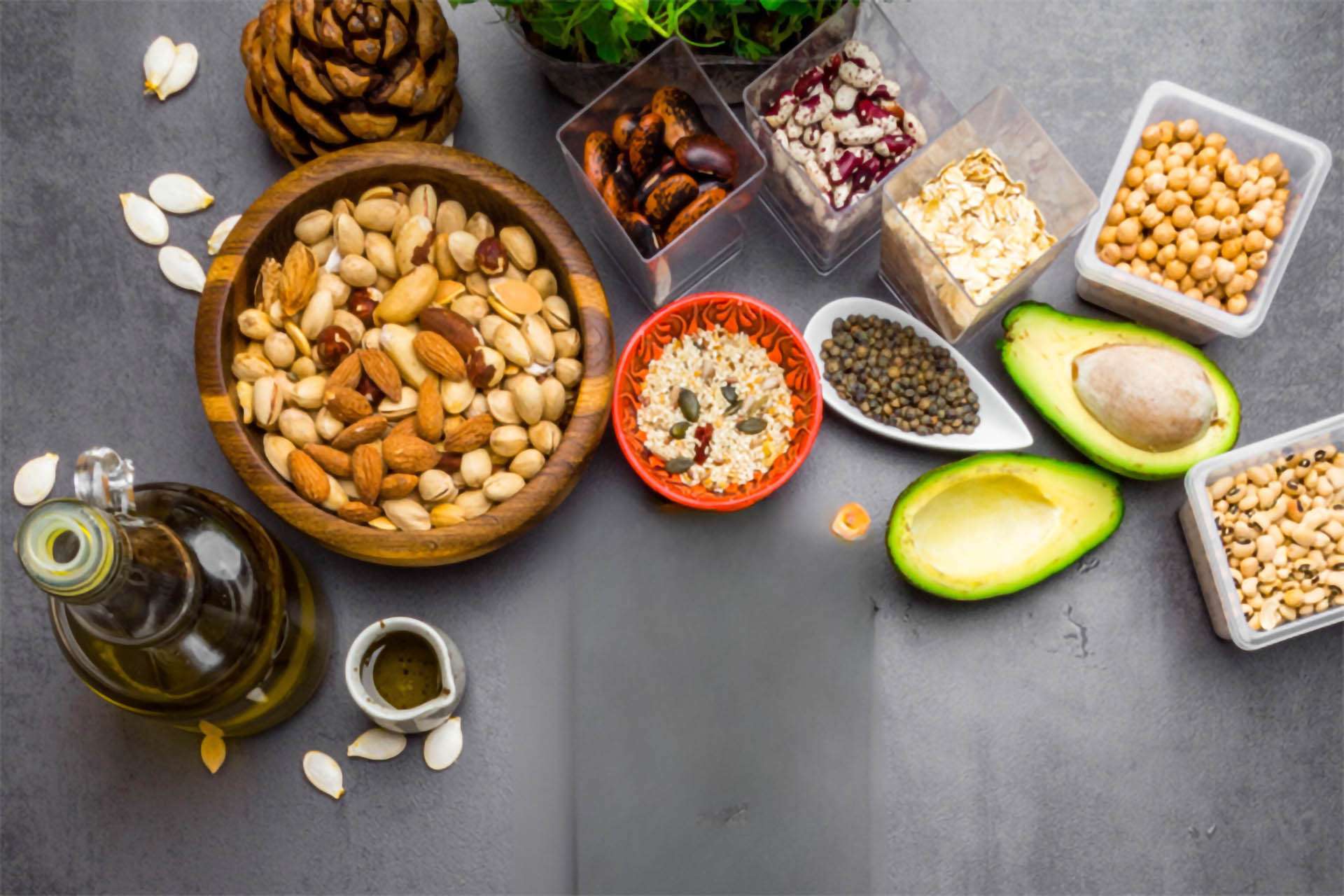
Best Vegetarian Sources of Protein
Why Protein Matters
We’re all familiar with protein’s role in building muscle, and nowadays, high-protein foods and snacks–including many plant-based protein options—seem to be everywhere, filling every aisle. But beyond muscle growth and maintenance, many people aren’t aware of just how essential protein is for overall health and well-being. It’s a nutrient our bodies truly need in many ways.
Protein plays many important roles in the body. While it’s known for supporting muscle growth, it also helps build and repair bones, teeth, cartilage, and skin. In fact, your hair and nails are mostly made of protein! Even collagen, the protein that keeps skin smooth, firm, and youthful, is made from it. So, getting enough protein supports much more than just muscles—it’s key to your body’s structure and function.
Protein helps your body heal and stay strong. It supports tissue repair by aiding in the growth and renewal of cells. It’s also essential for a healthy immune system, many components like antibodies and immune cells are made from protein. Getting enough ensures your body can defend itself and bounce back when needed.
Protein plays a key role in digestion too! Your body relies on enzymes, which are made of protein, to break down food. In fact, about half of the protein you consume goes toward producing these enzymes. Protein also helps keep you feeling full longer, making it easier to manage hunger throughout the day.
Schedule a Free 15 Minute Discovery Call
"*" indicates required fields

Top Plant-Based Picks for Daily Protein
When we think of protein, foods like meat, eggs, seafood, or dairy often come to mind first—and they are all solid sources. But they’re not the only options! There are plenty of nutritious and tasty plant-based protein sources too. In fact, the variety keeps growing with new products hitting the shelves to support those who prefer plant-forward eating. Here are some plant-based proteins that are not only good for you but also full of flavor.
Lentils are an excellent plant-based protein option, packing about 18 grams per cup. But they offer much more than just protein, they’re also rich in fiber, iron, manganese, folate, and antioxidants. With several varieties like brown, green, red, and black lentils, each with its own texture and slightly different nutrient profile, they’re incredibly versatile. You can toss them into salads, blend them into purees, or shape them into tasty lentil burgers. While lentils can cause gas for some people, soaking and properly cooking them can help ease digestion.
Similar to lentils, beans come in a variety of types, like chickpeas, black beans, kidney beans, and pinto beans, each with its own unique flavor and texture. On average, they provide about 15 grams of protein per cup and can be enjoyed in so many ways: tossed into salads, blended into dips, added to tacos and burritos, or simmered in soups, stews, and stir-fries. They’re also packed with nutrients like fiber, potassium, folate, phosphorus, iron, and manganese, making them a nutritious and versatile plant-based staple.
Quinoa stands out among plant-based proteins because it’s a complete protein, meaning it provides all nine essential amino acids that our bodies can’t produce on their own. Unlike many other plant sources that are missing one or more, quinoa delivers the full set in every serving. It comes in red, black, and white varieties, and you can even find colorful tricolor blends. Quinoa is also packed with vitamins and minerals and offers more protein, fiber, and healthy fats compared to most grains. One cooked cup provides about 8 grams of protein, making it one of the best vegetarian protein sources for balanced meals.
Nutritional yeast is a popular go-to for vegans and those following plant-based diets as a cheesy alternative. Like quinoa, it’s a complete protein, offering all nine essential amino acids, with about 16 grams of protein per ounce. It’s also packed with fiber, vitamin B12, zinc, magnesium, and copper. While it’s famously used in plant-based mac and cheese recipes, you can sprinkle it on pasta, stir it into stews, add it to tacos, or use it in just about any dish where you’d normally want that cheesy flavor.
Some great soy-based protein options include tempeh, tofu, edamame, soybeans, and textured vegetable protein (TVP). These are all different forms of soy, showing just how versatile plant-based proteins can be. Each one is a complete protein, offering all nine essential amino acids, and they typically provide between 12 to 20 grams of protein per 3.5-ounce serving. From tofu to tempeh, these protein-rich vegetarian options are easy to incorporate into daily meals.
Green peas are another excellent plant protein. Not only are they tasty, but one cup packs around 8 grams of protein! They’re easy to toss into soups, stir-fries, or stews to boost the protein content. Plus, they’re rich in vitamin C, vitamin K, and fiber.
Nuts are often known for their healthy fats, but they’re also a solid source of protein and other key nutrients. Depending on the type, you’ll get about 5 to 7 grams of protein per ounce. Along with protein and heart-healthy fats, nuts also provide fiber, iron, calcium, vitamin E, and several B vitamins, making them a nutrient-dense, well-rounded snack option.
Easy Vegetarian Meals That Boost Protein Intake
Many people assume plant-based meals are bland—but in reality, protein-rich vegetarian meals can be incredibly flavorful and satisfying! The best part? You don’t need complicated recipes to make them delicious. Let’s dive into some tasty vegetarian meal ideas that are packed with protein!
Tofu or Tempeh Stir-Fry- Sauté with your favorite veggies and a flavorful sauce (like soy sauce, garlic, and ginger). Serve over brown rice or quinoa.
Quinoa & Black Bean Bowl- Layer quinoa, black beans, corn, avocado, and salsa for a protein-packed burrito bowl. Add some nutritional yeast or cheese if you like!
Edamame & Veggie Grain Salad- Toss edamame, farro or bulgur, cucumbers, and shredded carrots with a light vinaigrette for a refreshing, filling salad.
Veggie Burgers- Make patties using black beans, quinoa, and oats, then bake or pan-fry. Serve on a whole grain bun with toppings of your choice.
Chickpea Salad Wraps –Mash chickpeas with a little mayo or tahini, mustard, and chopped veggies (like celery and onion) for a quick salad. Serve in a wrap or lettuce cups.
Lentil Bolognese- Replace ground meat with lentils in your go-to pasta sauce. Serve over spaghetti for a comforting, hearty dish full of plant-based protein.
Need a Helping Hand?
Everyone’s nutrition needs are different—and we’re here to help. Call 630-474-5321 to speak with one of our expert dietitians, or send us a message through the form on this page. We’d love to support your journey toward a healthier, plant-powered lifestyle!