
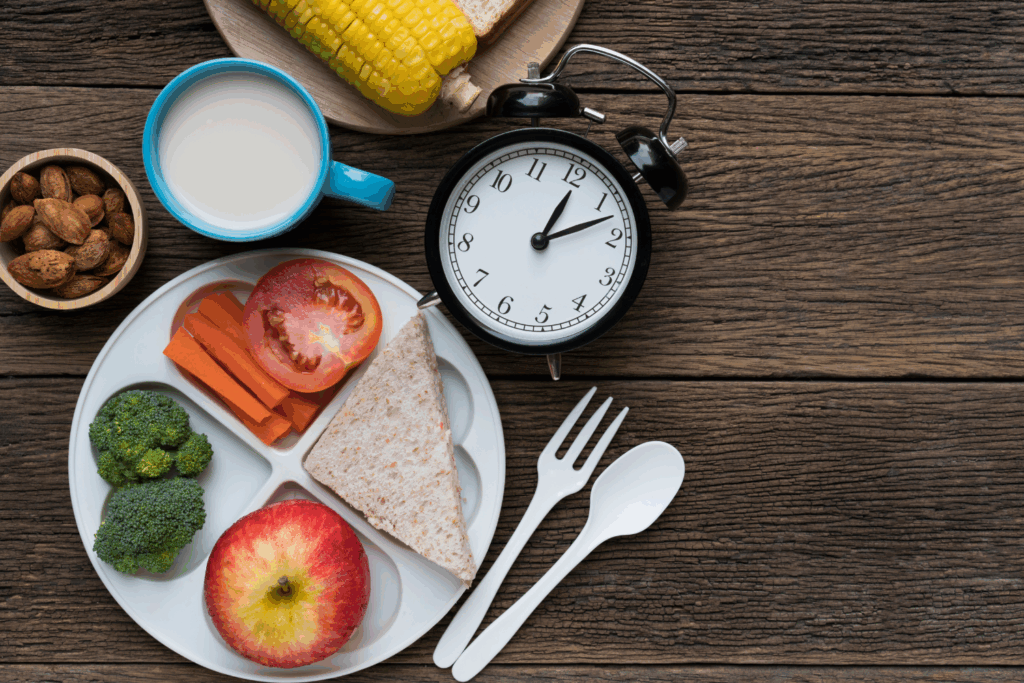
Taking a break from school or work often means your usual routine becomes more relaxed. You might sleep in, spend more time at home, travel, or allow your days to unfold without a set schedule. While this flexibility can feel refreshing, it can also make it harder to maintain a consistent eating routine. Without familiar anchors like class times, meetings, or scheduled lunch breaks, meals and snacks can easily become irregular or unintentionally skipped.
This is where the importance of eating structure during breaks becomes especially clear. Even when life slows down, your body’s need for consistent nourishment does not change.
For those in recovery or working on improving their relationship with food, eating structure is not about rigid rules or strict timing. Instead, it is a supportive tool that helps reduce stress around eating and keeps your body feeling safe and cared for. Regular meals and snacks help stabilize blood sugar, support hunger and fullness cues, and reduce the risk of extreme hunger. When hunger is better regulated, food decisions often feel calmer and less overwhelming.
Structure can also reduce food preoccupation and decision fatigue. When your body knows it will be fed consistently, there is often more mental space for rest, enjoyment, and connection during a break.
Even during time off, your body benefits from a gentle eating rhythm. Planning around three meals and two to three snacks per day can help you feel more grounded, energized, and in tune with your needs. Rather than taking away flexibility, this kind of structure can actually create a sense of stability during otherwise unstructured days.

Ways to Maintain a Gentle Eating Structure During Breaks
Let Activities Guide Your Meals, Not the Clock
Instead of eating at the exact same time every day, try pairing meals and snacks with daily activities. This might mean eating after you wake up, before leaving the house, after a walk, or once you are settled back at home. This approach supports the importance of eating structure during breaks while allowing your routine to adapt naturally.
Set Loose Meal & Snack Goals
Aiming for three meals and two to three snacks per day provides a helpful framework, even if the timing shifts from day to day. This gentle goal can prevent long gaps between eating and support consistent nourishment.
Use Reminders or Alarms as Support
If time tends to slip by during breaks, gentle phone reminders can be helpful. A simple prompt such as asking yourself whether you have eaten recently can encourage regular check-ins without feeling restrictive.
Prep or Plan Meals and Snacks Ahead of Time
Having snacks visible or preparing simple meals in advance can make eating feel easier on low energy or unstructured days. Reducing decision fatigue can make it more likely that you follow through with nourishment.
Honor Sleep & Wake Changes Without Skipping Meals
Sleeping in later than usual may shift your first meal of the day. Breakfast may turn into more of a brunch, but it is still important to include it. Skipping meals can increase hunger later and make eating feel more stressful.
Work With a Dietitian to Personalize Structure
If you are unsure what an eating structure looks like for you, a dietitian can help you understand the importance of eating structure during breaks and create a plan that supports your recovery without feeling overwhelming or restrictive.
If you would like to learn more about structured support in recovery, we recommend checking out this related blog: Why Is Having a Meal Plan for Eating Disorder Recovery Helpful?