
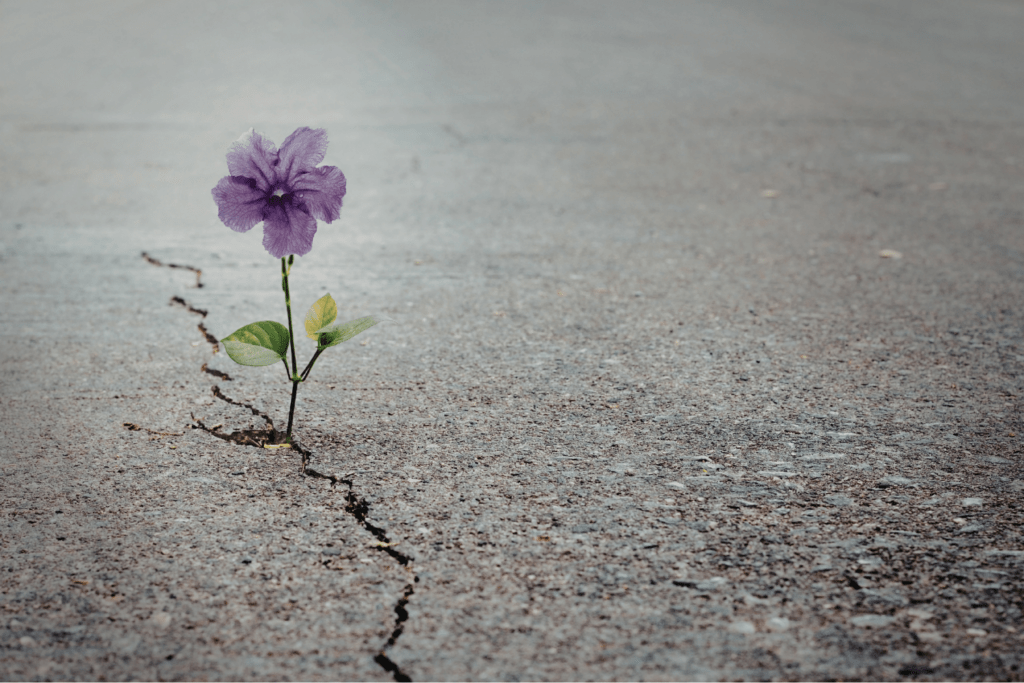
The disordered eating journey is just like life; it’s a journey filled with ups and downs. Some days, you might feel strong, motivated, and like you’re hitting all your goals, while other days might feel frustrating or even like you’re taking steps backward. That’s completely normal! Healing takes time, patience, and self-compassion. Struggling sometimes actually shows you’re doing the work; it would be concerning if you never faced challenges along the way. In this blog, we’ll offer strategies to bounce back when things feel hard and navigate setbacks in recovery.
Acknowledge Setbacks as Part of the Process
Remember learning to ride a bike? You might have fallen a few times, but each fall taught you something new about balance. Or think about trying a new recipe; it probably didn’t turn out perfectly the first few times, but each attempt helped you improve.
Recovery from an eating disorder is similar. Even when you’ve made progress, trying something new, like challenging old thoughts or using coping skills in a tough situation, can feel difficult. Setbacks happen, and that’s normal.
When they do, take a moment to reflect without shame or guilt. What triggered this moment? Stress, fatigue, anxiety, or isolation? Understanding your triggers helps you learn, grow, and keep moving forward after setbacks in recovery.
Practice Self-Compassion
Think about a close friend or family member going through the same setback you’re facing. You’d likely offer them kindness, understanding, and encouragement. Give yourself that same compassion. We’re all human, and struggling is part of life; there’s no shame in it. Every setback can be a learning opportunity. By shifting your perspective, challenges can also become moments to grow in ways you might not have expected.
Lean on Your Health Care Team
Your trusted professionals are there to support you. They can help you reflect on what happened, uncover the reasons behind a setback, and offer a fresh perspective. Sometimes we’re our own harshest critics; what feels like a setback might actually be a small victory. Professionals can also guide you with strategies for the future, encourage you, and remind you of the progress you’ve already made, which can be especially important, especially in moments when you’re feeling discouraged.
Reassess your Goals
This doesn’t have to happen every time, but if you’ve been facing new challenges or changes, it can help to pause and reflect. Maybe your body or mind is asking you to slow down and focus on smaller goals. Your healthcare team can help you with this. Recovery is a journey, and it’s okay for progress not to be fast. Even small steps forward count, remember they’re still steps in the right direction.
Remember your Why
When you’re feeling discouraged or hopeless, it can help to pause and remember why you started this journey. Maybe it’s to feel more freedom around food, improve your mental health, or build a healthier relationship with food. Also, take a moment to reflect on how far you’ve come; every victory, big or small, is worth celebrating. Recognizing your progress and practicing gratitude can increase motivation and confidence for the path ahead.