
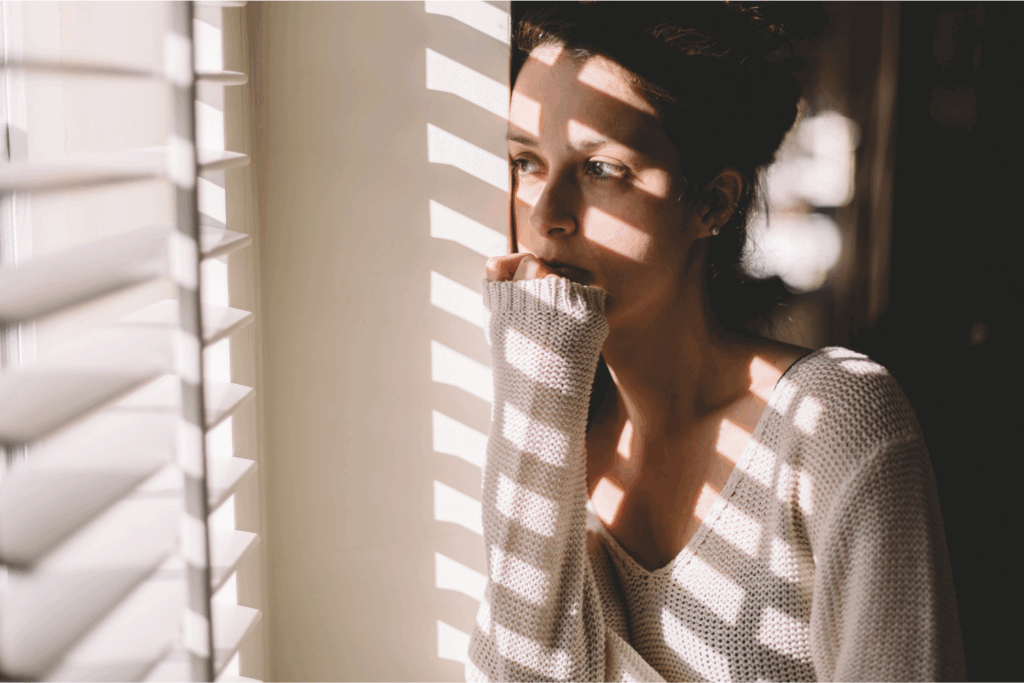
As winter approaches, the days start to get shorter, and while some people enjoy the cozy vibes, many find the change challenging. Shorter, colder, and gloomier days can feel like a big shift from long, sunny summer afternoons. For some, this can bring up feelings of sadness, anxiety, or isolation. These emotions affect everyone, but they can be especially tough for those in recovery from disordered eating, since these feelings often tie closely to the condition. In this blog, we’ll explore the impact of shorter days on eating disorders and why it’s so important to recognize these changes and support yourself through them.
Seasonal Changes & Mental Health
As winter sets in, the shorter days, colder weather, and changes to our routines can do more than just make us reach for a coat or a sweater; they can affect how we feel, our energy, and even our appetite. Many people notice themselves feeling more tired, craving heavier comfort foods, or having less motivation to get outside and connect with others. These changes are common, but they can still feel discouraging. For those navigating recovery from an eating disorder, these challenges can feel even heavier. Disrupted hunger cues, changes in energy levels, or the temptation to withdraw socially may trigger old habits or negative thoughts. Finding ways to stay connected with supportive people, creating cozy routines that feel grounding, and leaning into small sources of joy, like a warm meal, a favorite hobby, or even extra light in your space, can help bring comfort through the winter months.
Impact on the Circadian Rhythm
Shorter days can have an impact on the body’s internal clock, known as the circadian rhythm. Its job is to regulate sleep, energy, appetite, and hormone levels. When the days get shorter in winter, these natural rhythms can shift, often leading to changes in mood, sleep patterns, and even hunger cues.
For people recovering from or struggling with eating disorders, these shifts can present extra challenges. Changes in appetite or energy levels may make it harder to maintain regular eating patterns, while disrupted sleep or low light exposure can increase feelings of fatigue, irritability, or low mood. All of these factors can contribute to triggers for disordered eating behaviors.
Colder temperatures
As temperatures drop, spending time outside often decreases, which can lead to feelings of social isolation. Lower activity levels can also make worries about weight or body image feel stronger or even lead to overcompensation at the gym. Recognizing that these feelings are influenced by the season can help in responding with kindness and self-care.
Approaching Holidays
Not only are the days shorter and gloomier, but the holiday season is also approaching, which is a time that can feel especially challenging for those in recovery from eating disorders. The thought of frequent gatherings centered around food, potential family tensions, or even casual comments about eating or bodies can be stressful. These situations may increase anxiety and, for some, trigger behaviors like restricting or binge eating.
Feelings of loneliness
In this season, many may feel lonely or even isolated, and that, combined with low mood, can trigger disordered eating behaviors, like restriction, bingeing, or emotional eating. Less social interaction may also reduce accountability and support from friends, family, or peers, making it harder to stick with healthy routines. Overall, the winter months can intensify the emotional and psychological struggles that often accompany eating disorder recovery, highlighting the impact of shorter days on eating disorders.
Tips to Manage it
Lean on your Healthcare team
Your professional team, such as dietitians and therapists, can help uncover the root of what you’re experiencing and provide guidance tailored specifically to you. Beyond guidance, they’re there to listen without judgment and support you as you face challenges, including the effects of shorter days on eating disorders, ensuring you’re never going through it alone.
Focus on Intuitive Eating
Tune into your body’s signals and allow hunger, fullness, and satisfaction to guide your food choices. Even though the weather and routines change, your body will still need nourishment without restriction. Tuning in to what your body actually needs can help keep you balanced, energized, and feeling more connected to yourself.
If you want to learn more about Intuitive Eating, read this blog: What are the Principles of Intuitive Eating?
Stay Connected with your Support System
Humans are social creatures, so it’s important to stay in touch with friends or family who lift you up and support you. Spending time with people who make you feel good can help ease feelings of isolation or anxiety. And just because it’s cold outside doesn’t mean it’s boring. There are plenty of fun indoor activities you can enjoy together, like watching movies, playing board games, or even having a karaoke night. And don’t forget the outdoors! Even in colder weather, activities like going for a brisk walk, building a snowman, ice skating, or enjoying a winter hike can be a great way to spend time together and stay active. Keep it light, keep it fun, and enjoy the company!