
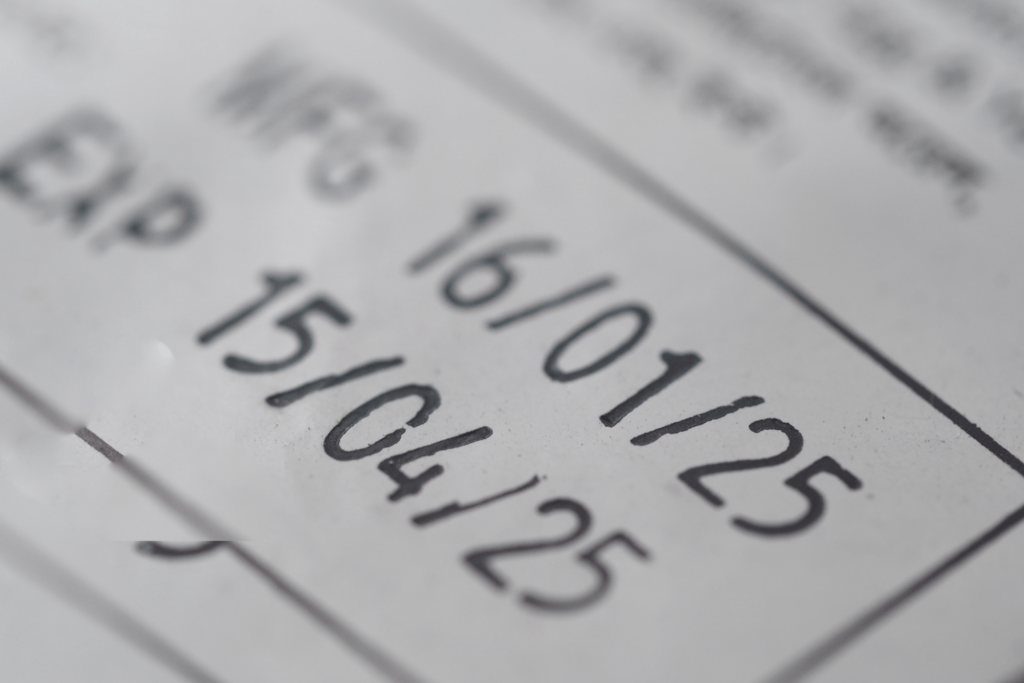
Have you ever looked at a carton of yogurt that’s one day past the date on the label and wondered, “Is this still okay to eat?” You’re not alone. Food expiration dates can be confusing, and many people assume they mean a food is automatically unsafe once that date arrives. In reality, that’s usually not the case. You might find yourself throwing away food that is still safe, avoiding leftovers, or feeling anxious about making the “wrong” decision.
Understanding what these labels mean is crucial, as it can help you reduce unnecessary food waste and ease some stress or anxiety around eating.
Do Food Expiration Dates Mean Food Is Unsafe?
Most of the time, no. Except for infant formula, food date labels in the United States are generally not federally regulated and usually refer to quality, not safety. That means a food may not taste quite as fresh after the date listed, but it may still be perfectly safe to eat if it has been stored properly.
What Do the Different Labels Mean?
"Best If Used By" or "Best Before"
This date tells you when the food is likely to have its best flavor, texture, or quality. It does not necessarily mean the food is unsafe after that date.
"Sell By"
This date is intended for grocery stores to help manage inventory. Consumers can often safely use the product after this date if it has been stored correctly.
"Use By"
This generally refers to when the manufacturer recommends using the product for the best quality. For most foods, it does not automatically mean the food becomes unsafe after this date.
Foods That Often Last Longer Than You Think
Many shelf-stable foods remain safe well beyond the printed date when stored properly. They may gradually lose some flavor or texture over time, but that doesn’t necessarily mean they have spoiled. Some examples include:
- Canned vegetables, beans, and soups
- Dry pasta
- Rice
- Peanut butter
- Crackers
- Cereal
Don't Rely Only on the Date
Instead of looking only at the date, try checking a few other things:
- Has the food been stored properly?
- Is the package damaged, leaking, or swollen?
- Does it look or smell unusual?
- Is there visible mold?
- Has it been left out at room temperature for too long?
When Should You Throw Food Away?
Sometimes, throwing food away is the best choice. Consider it if:
- The package is leaking, swollen, or severely damaged.
- There is visible mold.
- The food has an unusual smell, texture, or appearance.
- It has not been stored safely.
Remember, expiration dates can be helpful, but they do not tell the whole story. Many foods can still be safe and enjoyable after the date listed on the package; this is important to recognize to reduce fear and anxiety around these foods.